25 Years Transformation. From Crisis to Community.
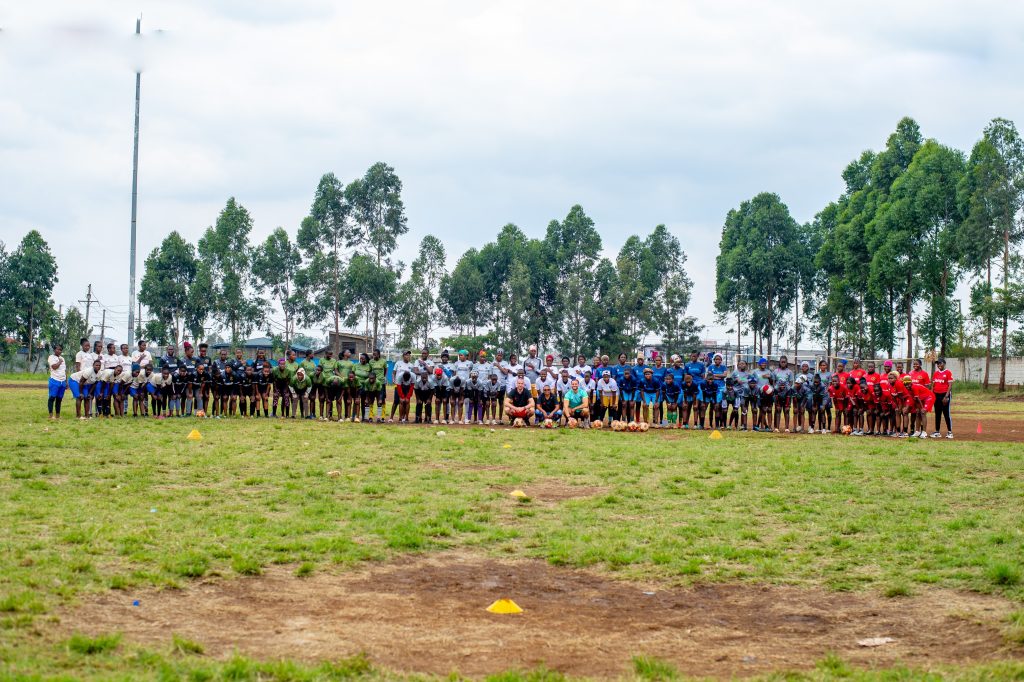
Since 2001, Miss Koch Kenya has worked block by block through Korogocho — Nairobi’s third-largest informal settlement — turning one radical act by a group of young people into a movement, and that movement into permanent infrastructure.
25 years · 300+ scholarships · 8,000+ households reached in our COVID-19 response · 90 DJs trained · 4,500 residents served daily by the Material Recovery Facility we built with the community
Where we started
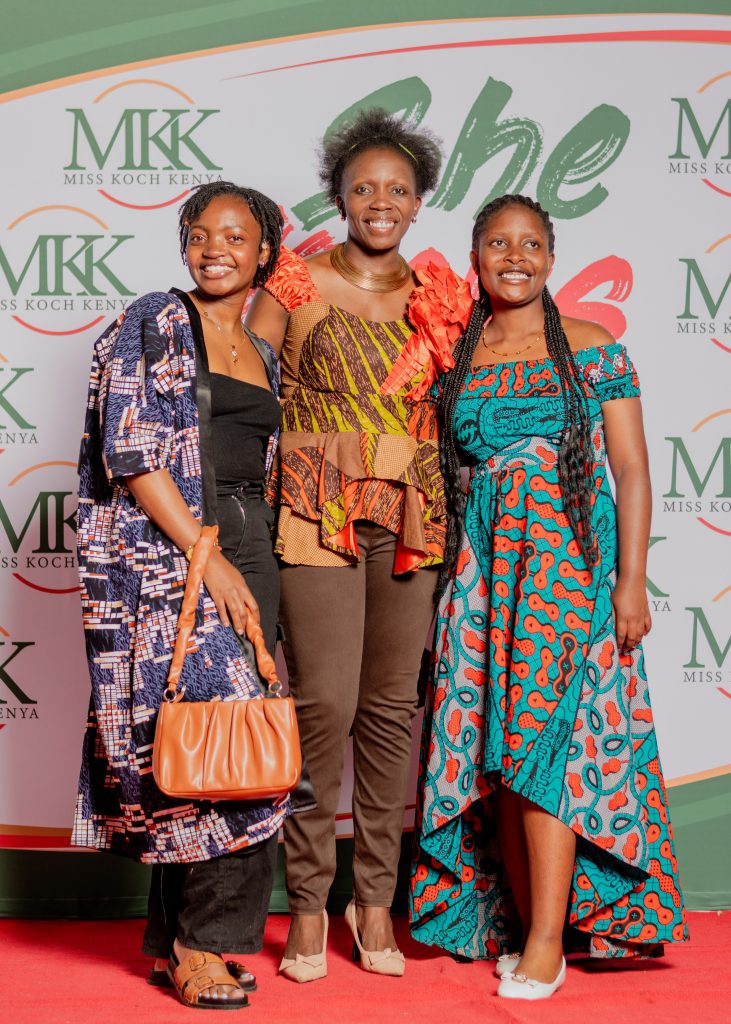
In 2001, Korogocho was living under a culture of silence. Gangs controlled entire sections of the settlement — areas the local administration and police couldn’t enter. Gender-based violence was rampant, and the fear that kept it that way went largely unchallenged. Earlier efforts by other groups to intervene had failed, fragmented and unsupported.
A group of committed young people decided that silence wasn’t the only option. They organized the first Miss Koch Beauty Pageant — under the rallying cry “Never Say Die, Yes We Can” — not as entertainment, but as a public act of defiance: a way to reclaim visibility, safety, and voice in a place where all three had been taken away. What started as the Miss Koch Initiative, a platform for girls’ emancipation and empowerment, grew over the following decade into an organization serving all Korogocho youth.
In 2010, that grassroots initiative formalized into a registered NGO — a shift that let us professionalize our operations and open the door to international partnership and funding, without losing the community roots that started it.
Timeline
2001
Founded
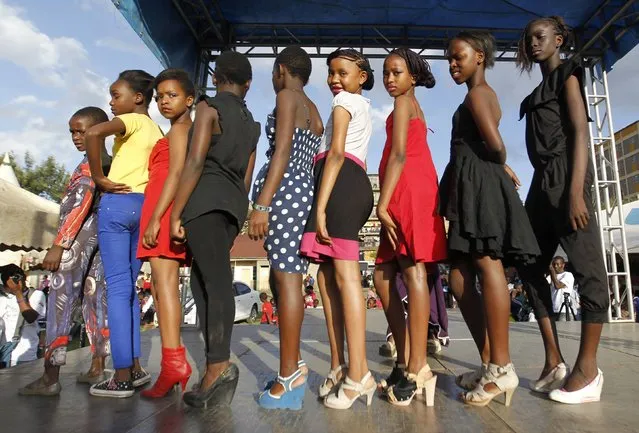
A beauty pageant turns crisis into community voice: “Never Say Die, Yes We Can.”
2006
Koch FM 99.9 launch
Kenya’s first community radio station goes on air, giving Korogocho’s urban poor a platform of their own.
2010
NGO Registration
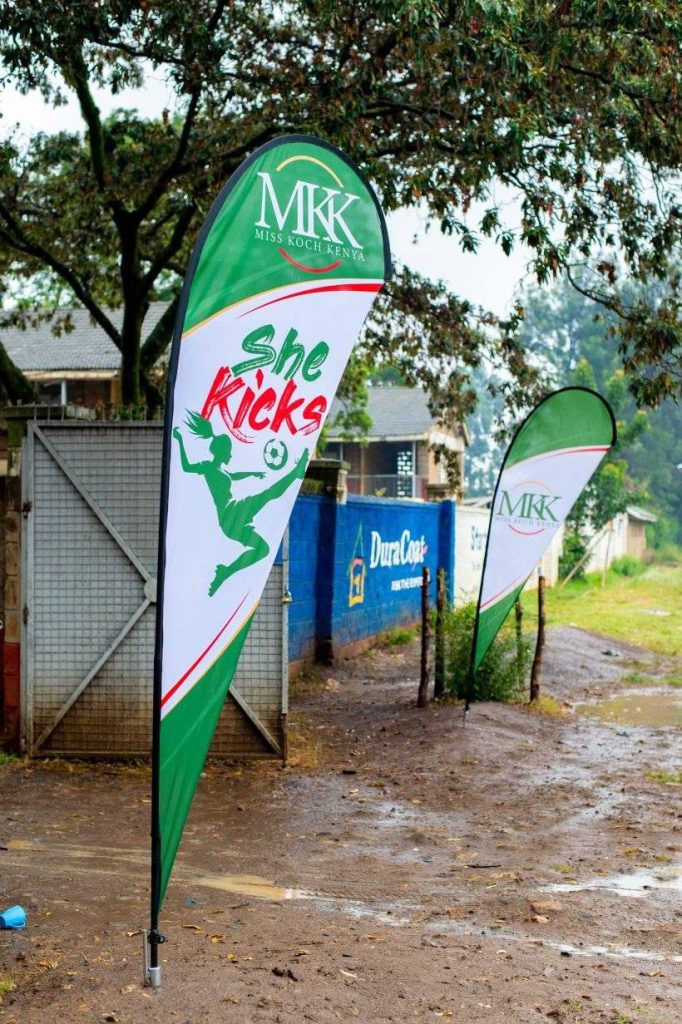
MKK professionalizes from a community-based organization into a registered NGO, opening access to international partnership.
2013–2022
A LOT-Change Project
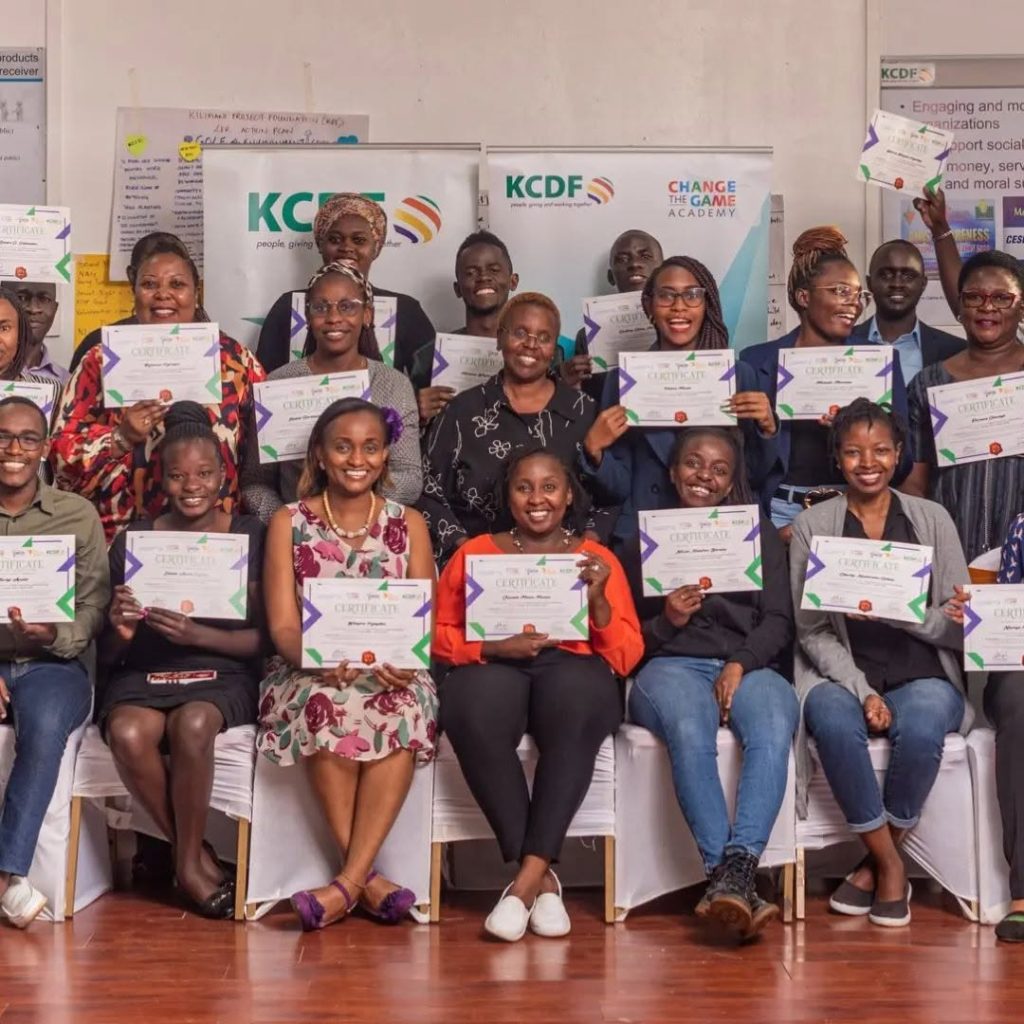
MKK professionalizes from a community-based organization into a registered NGO, opening access to international funding.
2020–2022
COVID-19 response
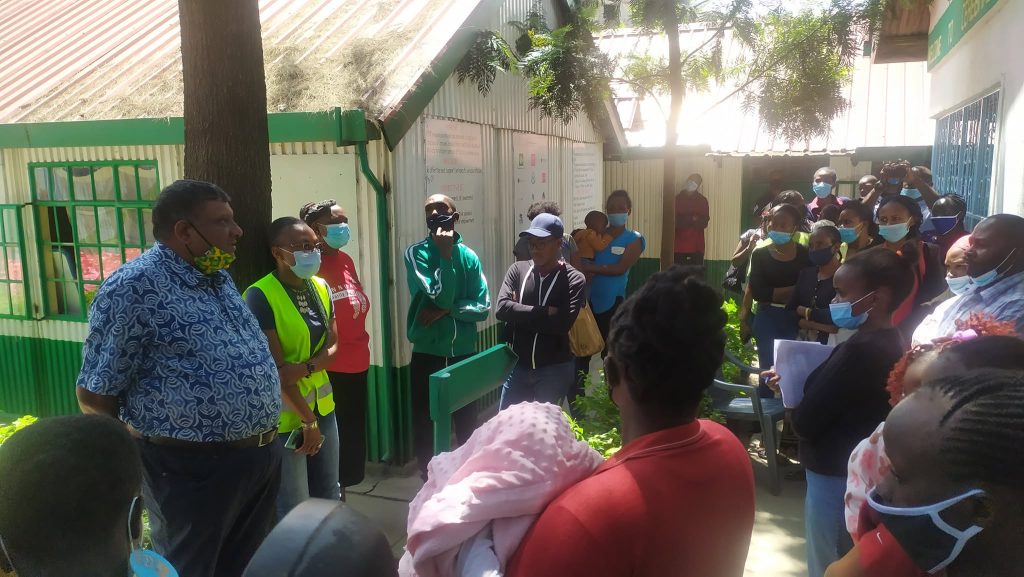
8,000+ households fed; 1,000+ girls reached with sanitary products during a period when the usual support systems around them had collapsed.
2025
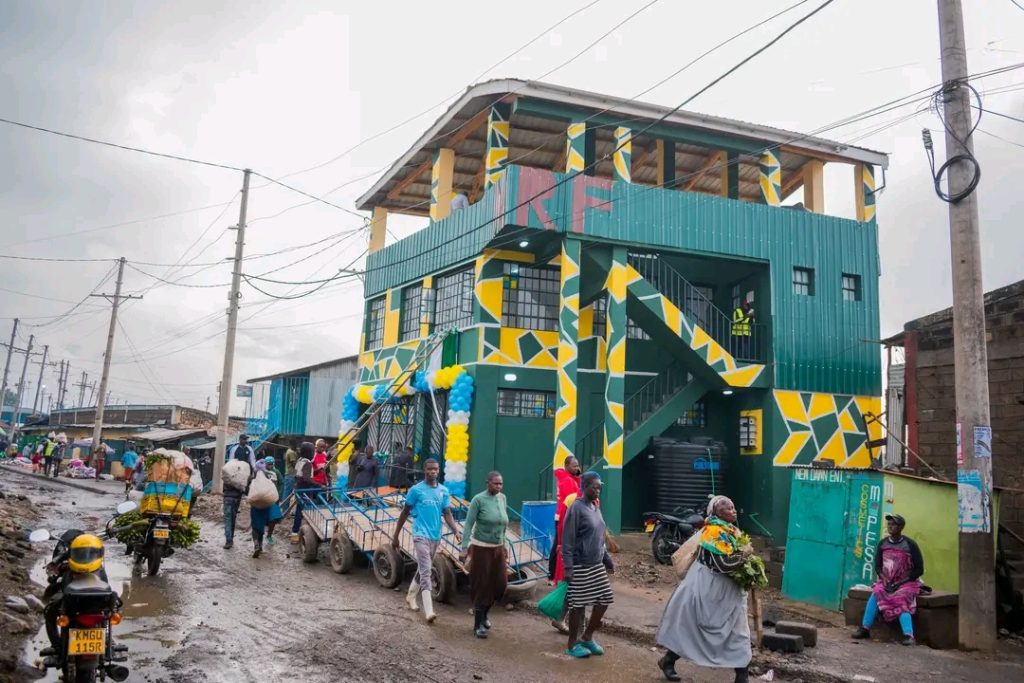
Material Recovery Facility breaks ground
8,000+ households fed; 1,000+ girls reached with sanitary products during a period when the usual support systems around them had collapsed.