A LOT-Change: What Happens When You Test a Mentoring Model for Nine Years
Most youth mentoring programs make a promise and move on before anyone checks if it worked. A LOT-Change asked the harder question first — and stayed long enough to answer it.
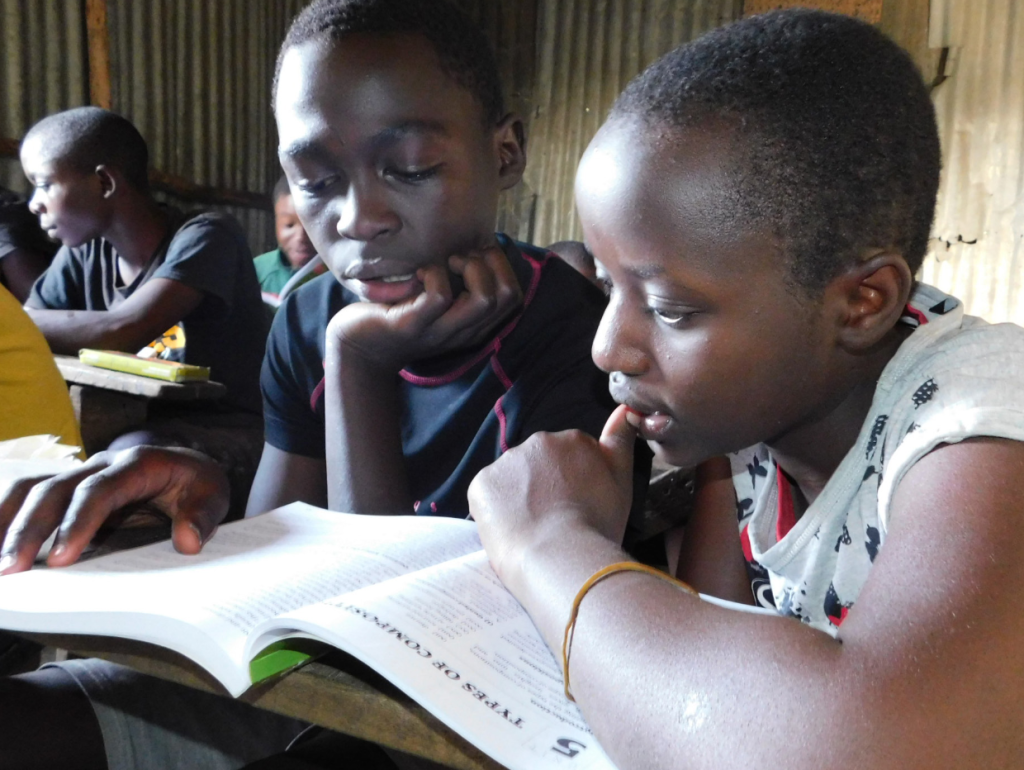
Starting in 2013, MKK partnered with APHRC (African Population and Health Research Center) to test whether structured after-school support — homework help, life-skills mentoring, parental counselling — could actually change outcomes for adolescent girls in Korogocho, grades 6–8.
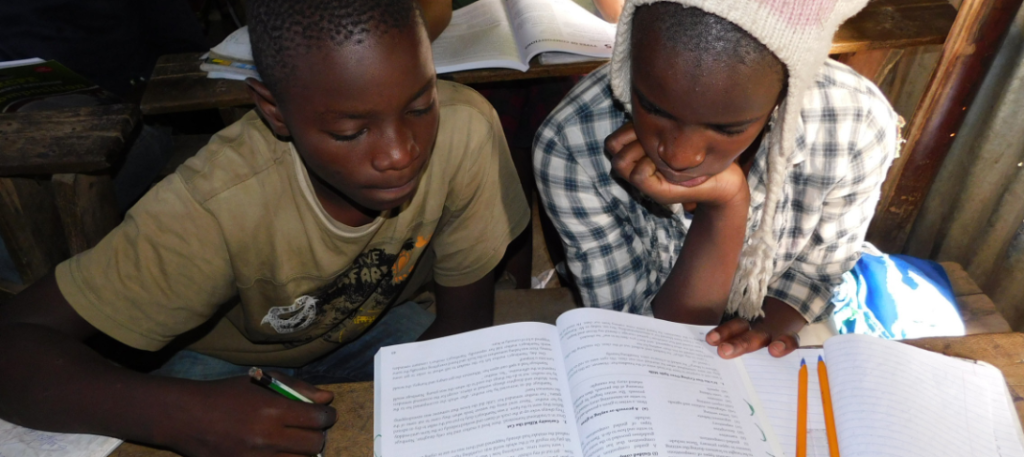
Phase I proved the concept.
Phase II (2016–18) scaled it to include boys and added a leadership component.
Phase III followed that same cohort into secondary school, testing whether the effects held as they got older.
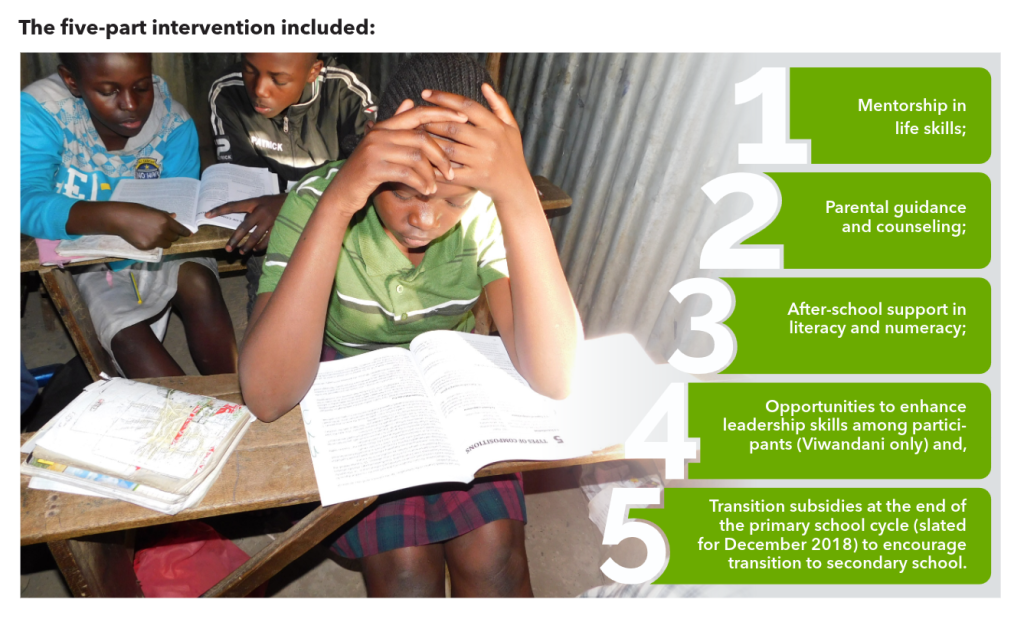
Nine years of research, 900+ youth reached, and published findings — from an independent, peer-partnered study — showing the mentoring model measurably improved school transition rates and exam performance.
Riziki’s story:
In the program’s first cohort, a girl named Riziki completed primary school, outperformed every student in her class — boys and girls alike — and was admitted to a national secondary school. APHRC, MKK’s research partner on the study, has tracked her progress since and points to it as proof the gains held on their own merit, not because the program tipped the scales by gender.